
Impact of AI on Children’s Fashion Trade Fairs: Business Opportunities
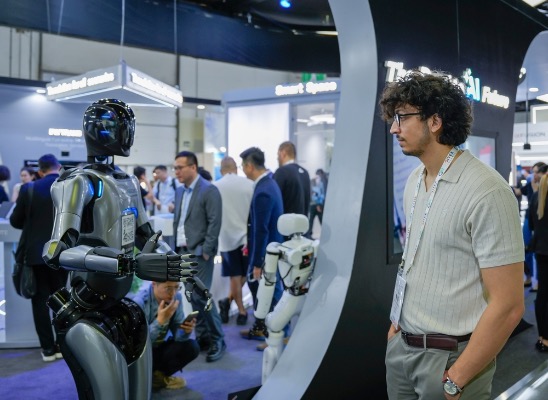
Is the children’s industry ready to integrate artificial intelligence into its commercial strategies? How can technology transform the experience at events and professional meetings in the sector? The rise of artificial intelligence is no longer a future forecast, but a reality that is redefining the way companies present products, attract customers and generate business opportunities.
AI in fashion trade fairs is becoming established as a strategic tool for brands, manufacturers, distributors and associations linked to the children’s universe. From experience personalisation to predictive trend analysis, artificial intelligence opens up new avenues for growth in the sector.
In the ASEPRI environment, where innovation and internationalisation play a fundamental role, understanding this new scenario is key to maintaining competitiveness.
How Artificial Intelligence Is Changing the Sector
Professional trade fairs have always been spaces for networking, presenting collections and generating commercial agreements. However, digitalisation has accelerated a profound change in these events. The incorporation of tools based on artificial intelligence makes it possible to:
- Analyse the behaviour of visitors and buyers.
- Personalise product recommendations.
- Automate commercial support processes.
- Improve the organisation of B2B meetings.
- Identify emerging trends in real time.
This turns trade fairs into more efficient, measurable and profitable environments for participating companies.
Predicting Trends and Market Behaviour
One of the greatest benefits of AI in fashion trade fairs is its ability to analyse large volumes of data to detect consumption patterns. Thanks to machine learning and predictive analytics, brands can identify:
- Colours and prints with greater potential.
- Preferences according to international markets.
- Changes in purchasing habits.
- Categories with greater commercial potential.
This makes it possible to make more strategic decisions before, during and after professional trade fairs.
Personalised Experiences for Buyers and Distributors
Personalisation is one of the major challenges in the children’s sector. In this context, artificial intelligence enables much more segmented experiences. For example, intelligent platforms can recommend specific exhibitors according to the visitor’s profile, optimising time and increasing business opportunities.
Leading companies such as Google, Microsoft and IBM have spent years developing AI solutions applicable to data analysis and business automation, technologies that are increasingly present in the fashion and retail sector.
Virtual Showrooms and Hybrid Trade Fairs
Hybrid trade fairs have gained prominence following changes in consumer habits and international mobility. Thanks to artificial intelligence, virtual showrooms are now more interactive and efficient.
Companies can offer smart catalogues, virtual assistants, automatic translation in meetings, dynamic product recommendations and personalised tours based on interests. This evolution makes it possible to expand the international reach of children’s brands and improve the profitability of trade fair participation.
Commercial Automation and Lead Generation
Another key aspect of AI in fashion trade fairs is commercial optimisation. Intelligent tools help classify contacts, prioritise leads and automate follow-up after the event.
This is a major advantage for manufacturers and distributors, especially at events with a high volume of attendees. In addition, solutions developed by companies such as Salesforce or Adobe make it possible to integrate intelligent CRMs and advanced automations that facilitate commercial conversion after the trade fair.
ASEPRI’s Role in Sector Innovation
From ASEPRI, promoting innovation and providing competitive tools for member companies is essential to face the new challenges of the market.
The adoption of artificial intelligence in events, trade fairs and commercial strategies represents an opportunity to strengthen the international presence of Spanish companies linked to the children’s sector.
Artificial intelligence is redefining the way professional trade fairs operate and opening up new business opportunities for children’s companies.
Understanding the impact of AI in fashion trade fairs will allow manufacturers, distributors and associations to position themselves more competitively, improve their ability to adapt and take advantage of the benefits of an increasingly digitalised market. Innovation is no longer optional. It is the driving force that will shape the future of the sector. Contact Asepri and we will help you in this process!
Frequently Asked Questions About Artificial Intelligence in Children’s Fashion Trade Fairs
What benefits does artificial intelligence bring to children’s fashion trade fairs?
Artificial intelligence makes it possible to optimise multiple processes within professional trade fairs. It enables the personalisation of experiences, improves visitor segmentation and helps identify business opportunities with greater accuracy. It also makes it possible to automate administrative and commercial tasks, reducing time and operating costs. For companies in the children’s sector, this translates into more efficient and profitable participation. In addition, predictive analytics tools help detect market trends and preferences before the competition, improving strategic decision-making.
How can a small company apply AI at events and trade fairs?
Small companies can also benefit from artificial intelligence without making large investments. Today, there are accessible solutions to automate emails, manage commercial contacts or analyse customer data. CRM platforms with integrated artificial intelligence make it possible to organise meetings, prioritise business opportunities and carry out automatic follow-ups. In addition, many digital tools operate under affordable subscription models. The important thing is to identify specific needs and start with practical applications that generate measurable and scalable results for the company.
Will hybrid trade fairs continue to grow in the children’s sector?
Yes, hybrid trade fairs will continue to gain relevance because they make it possible to combine face-to-face and digital experiences. This expands the international reach of events and facilitates the participation of buyers who cannot travel physically. Artificial intelligence improves these experiences through virtual assistants, personalised recommendations and automatic translation tools. For children’s companies, this format represents an opportunity to increase visibility, reduce costs and maintain more continuous commercial relationships with international distributors and clients.
Which AI technologies are most useful for manufacturers and distributors?
The most useful technologies are usually those related to data analysis, commercial automation and experience personalisation. Machine learning systems make it possible to identify consumption trends and predict market behaviour. Intelligent CRMs help manage contacts and prioritise potential clients. Virtual assistants, visual analysis tools and product recommendation platforms also stand out. These solutions improve operational efficiency and optimise the profitability of participation in trade fairs and professional events.
Why is it important to adapt to digital transformation in the children’s sector?
Digital transformation is already part of the present of the children’s sector and directly affects business competitiveness. Companies that integrate new technologies can respond more quickly to market needs and offer more innovative experiences. In addition, digitalisation facilitates internationalisation and improves the efficiency of commercial and production processes. Adapting does not mean losing the essence of the brand, but evolving to remain relevant in an increasingly technological and connected environment.